


In Part One of this series of Posts, I explained how I received an email from Sheila in New Hampshire requesting some tumblestones that she could send to friends. I have selected 30 polished stones from three South Island beaches. Part One described the ten from Gemstone Beach. This Post describes the ten from Kakanui while the next Post describes the ten from Birdlings Flat.
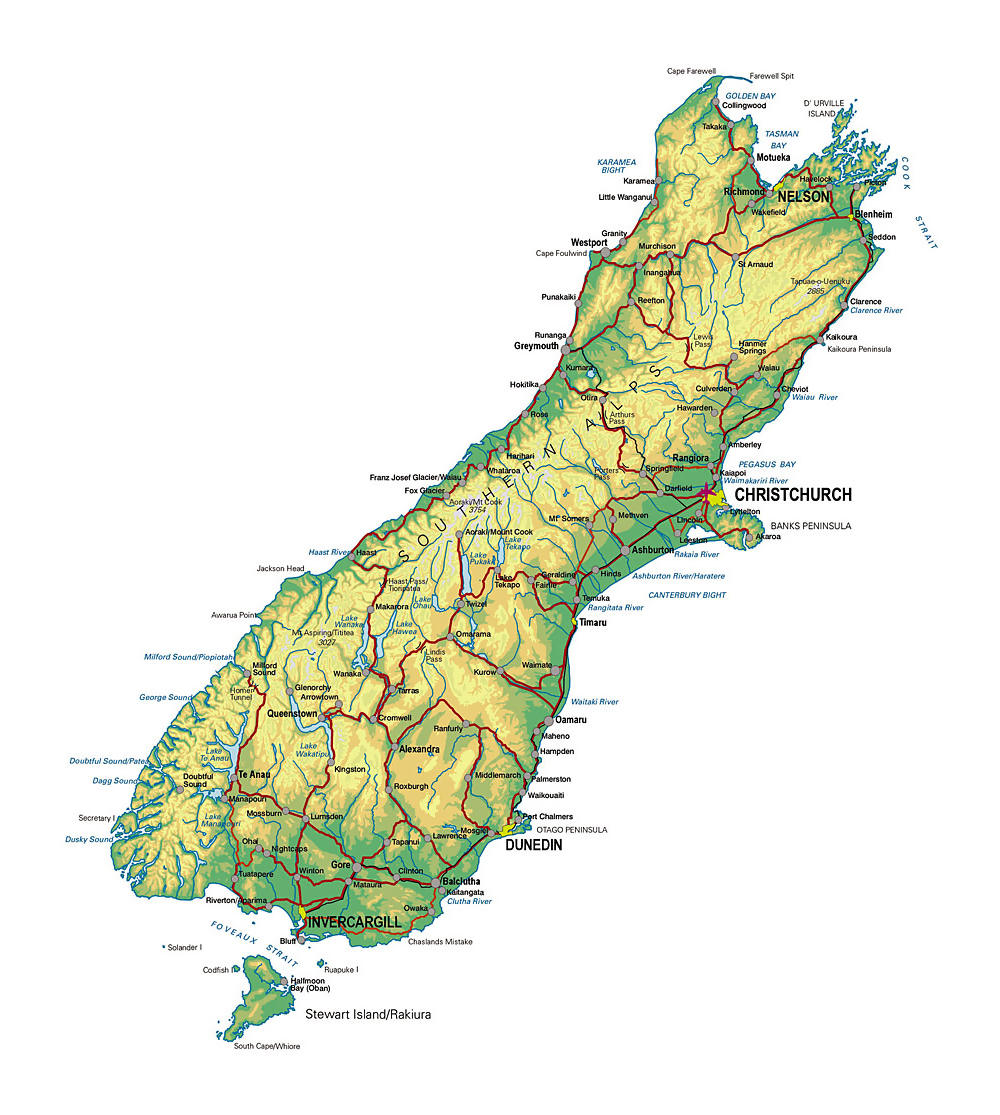
Kakanui is a small town of just under 400 residents about 14 kilometres south of the city of Oamaru in North Otago in the South Island of New Zealand (see maps below). The Kakanui River and its estuary divide the township in two. There are a number of holiday homes there, especially south of the river, so the population increases particularly in summer. The Kakanui area contains a number of limestone formations which include many fossils. But it’s a small beach a couple of kilometres north of the town where I find the smooth beach stones that I tumble polish. The beach has no name, but I call it Seadown Beach after the road nearby.



The stones along this coast will have been brought down by rivers from the Southern Alps to the sea where they have been tumbled in the waves for many thousands of years.


The ten Kakanui tumblestones I sent to Sheila included quartzites and jaspers. Here are the first five stones:


Many of the stones on this beach in Kakanui are quartzites. A quartzite starts off as a quartz-rich sandstone, a sedimentary rock that is grainy and feels like sandpaper. When the sandstone is exposed to high temperatures and pressures, the hard glassy metamorphic rock of quartzite is formed. Quartzite’s wide variety of colours are a result of minor amounts of different minerals being incorporated with the quartz during the process of metamorphism.
Jasper is different from quartzite but is related, with quartz being the common denominator. Quartz is silicon dioxide (SiO2) and is the most abundant mineral found on the Earth’s surface. Jasper is an opaque form of chalcedony which is a cryptocrystalline form of silica. Chalcedony arises when quartz crystals forms at low temperatures in volcanic cavities. The crystals can be so small that they are visible only when magnified, which is the meaning of the term “cryptocrystalline”. Chalcedony comes in a vast array of colours and patterns which gives rise to a wide range of different stones. These include blood-red carnelian, wine-red jasper, brown-banded agate, green-moss agate, apple-green chrysoprase, and black and white onyx. The colour depends on what minerals seep into the rock. The presence of iron causes the red colour in jasper, but jasper can also be green, yellow and brown when other minerals are present instead.
It can often be difficult to decide whether some dark red stones are quartzite or jasper. Here are the second five Kakanui tumblestones sent to Sheila:


This YouTube video (below) is the view of the Kakanui area coast from a drone. The first part of it follows the coast southwards from Kakanui, with good views of the town just after the beginning. After 2 minutes 39 seconds, the video follows the old road which has been claimed by the sea’s eroding forces, travelling southwards towards Kakanui, finishing about a kilometre or two short of the beach that these stones come from.
The last Post in this series is on the ten tumblestones that come from further north, near Christchurch, from Birdlings Flat at the northern end of Kaitorete Spit.

8 thoughts on “Thirty New Zealand TumbleStones for the USA – Part Two: Ten from Kakanui”