Thirty New Zealand TumbleStones for the USA – Part One: Ten from Gemstone Beach

“Between the ocean and where they stood, drifts of smooth pebbles lay on the sand… gleaming from their recent dousing of sea water. All colours – red, glassy-white, cream, brown, black, speckled, clear green, pale green, dark green… They could hear the clatter of stones inside the belly of each wave as it rushed towards the shore.” (From page 39 of “Craggan Dhu: Time Will Tell” by Kay Cooke, a book inspired by the history, people and environment of Orepuki, a small town of New Zealand’s coastal Western Southland)

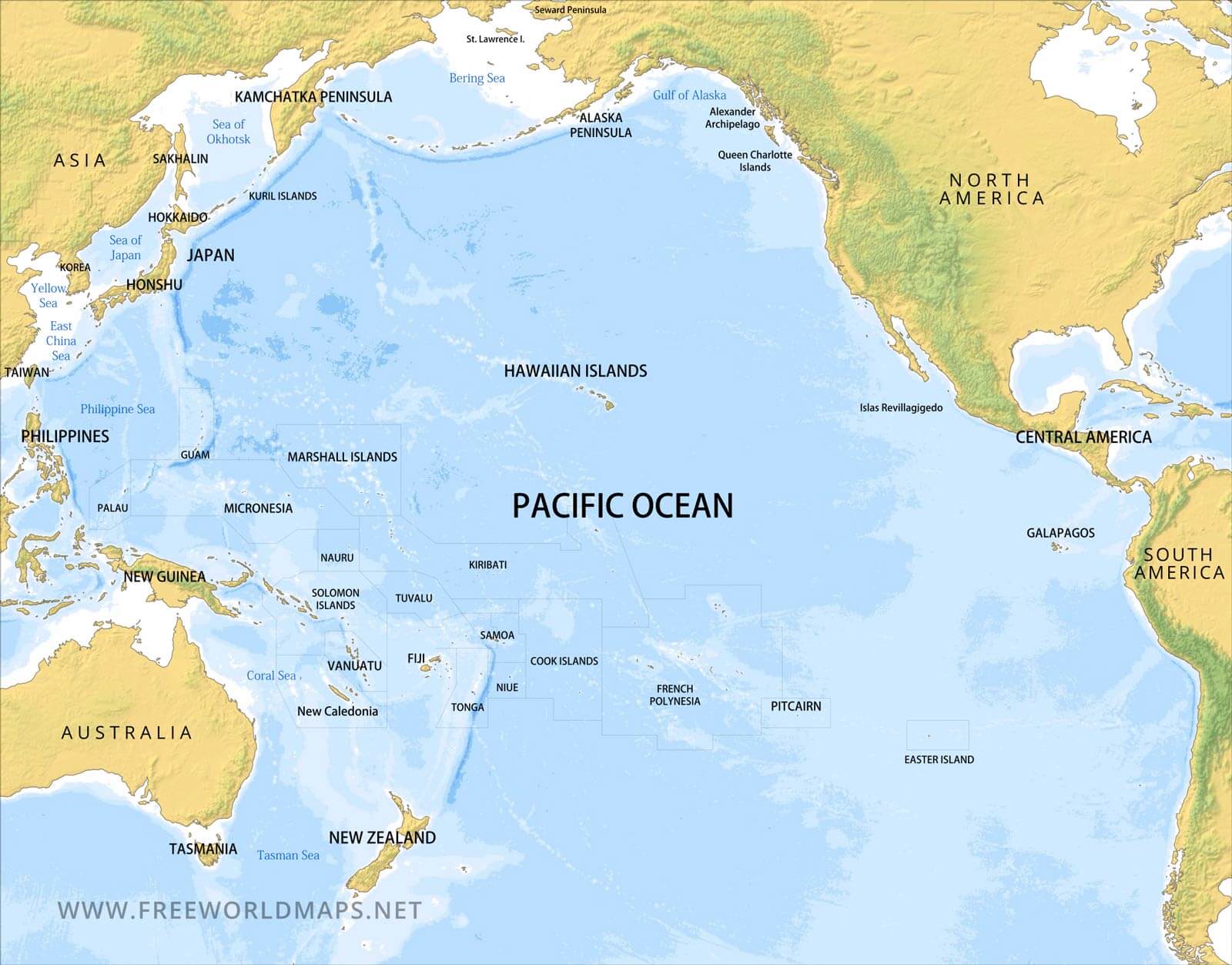
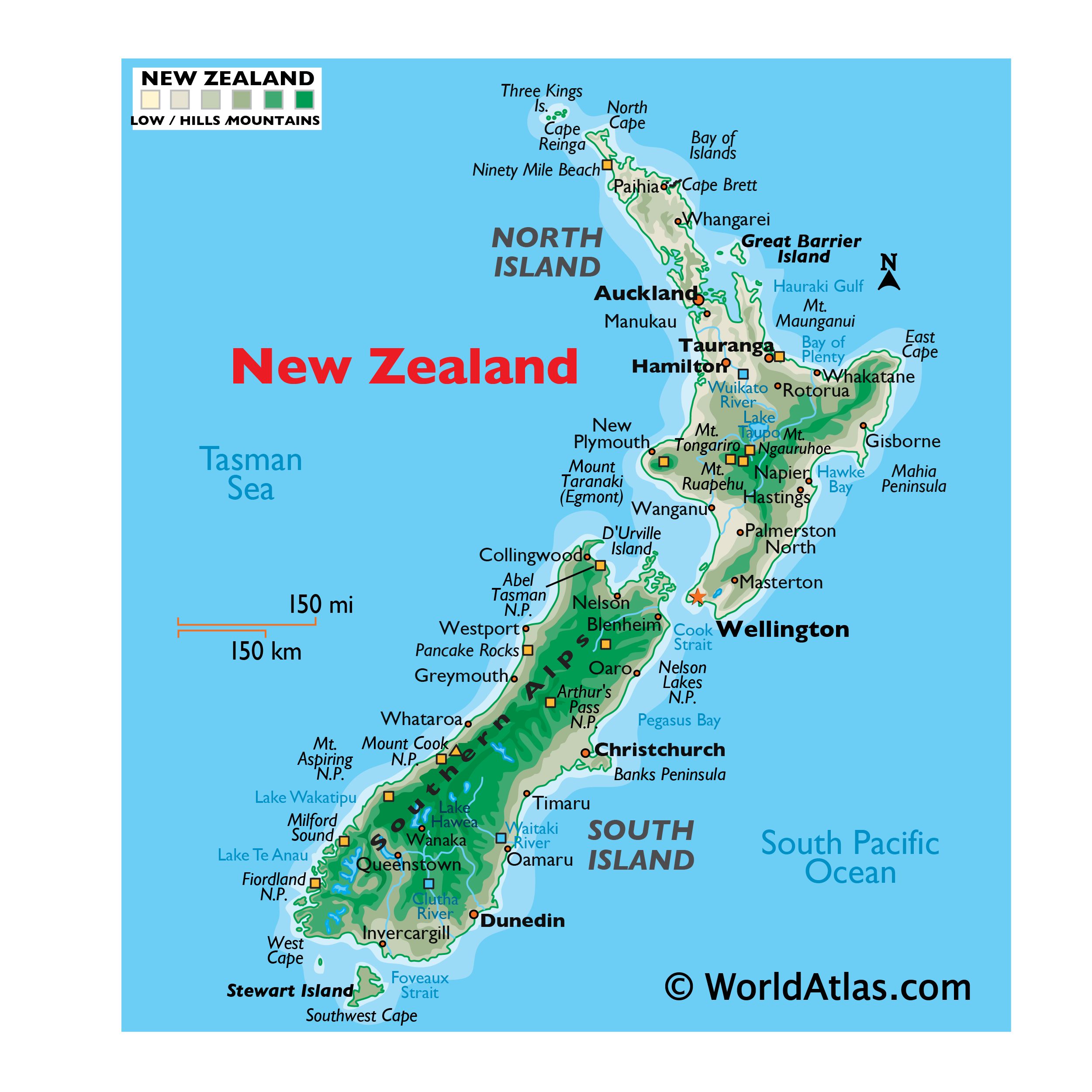
Stones from one country, gathered and tumbled, then going to another, nearly 15,000 kilometres away, across the Pacific Ocean.

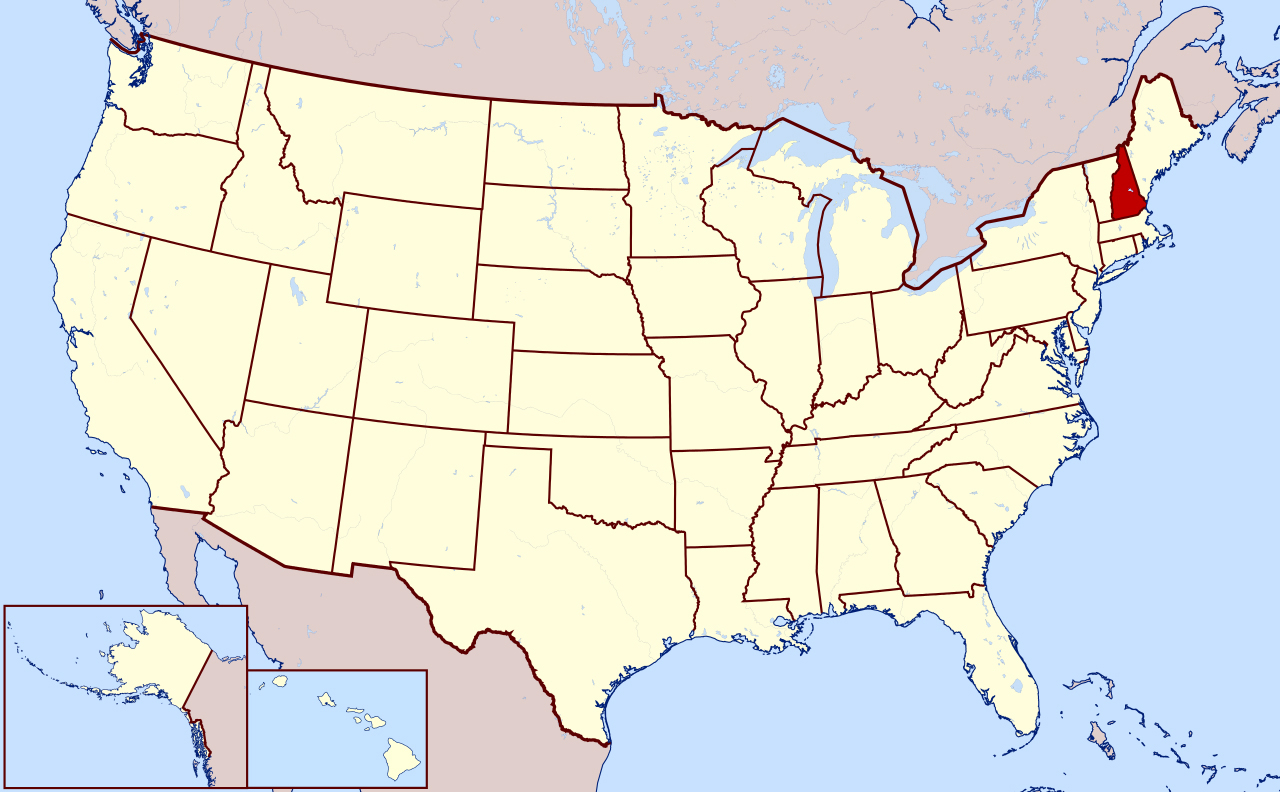
I recently received an email from Sheila who lives in New Hampshire in the north-eastern United States (see maps above). Google says that this small State, one of the 13 colonies that rebelled against British rule during the American Revolution, is nowadays defined by its quaint towns and large expanses of wilderness. Commonly known as the Granite State, New Hampshire has extensive granite formations although schist is also significant in its geology. Sheila has an interest in smaller rocks. She wrote in her email:

I have a bunch of friends who aren’t rock-hounds per se, meaning they aren’t collecting specimens, but who just like pretty rocks with a bit of story to them, so I’m looking for small rocks with interest and character that would comfortably fit inside a closed hand that I can randomly send to people in the mail. (Our mottoes are “All Rocks Are Good Rocks” and “Whimsical When Bored”). A selection such as you would provide to a museum for counter displays to spark interest in children would be wonderful. Frankly you could just box up some raw rocks from the beaches and send them my way, and I’d be delighted, so long as I knew which beach was the source! Or you could send me stones that the tumbler rejected (ie didn’t take a good polish), or stones that you took out of your horses feet (with a note about whose foot it was).

Sheila also attached to her email some photos from TumbleStone Blog of stones that she liked. This gave me a good idea of what kinds of stones I could send her.

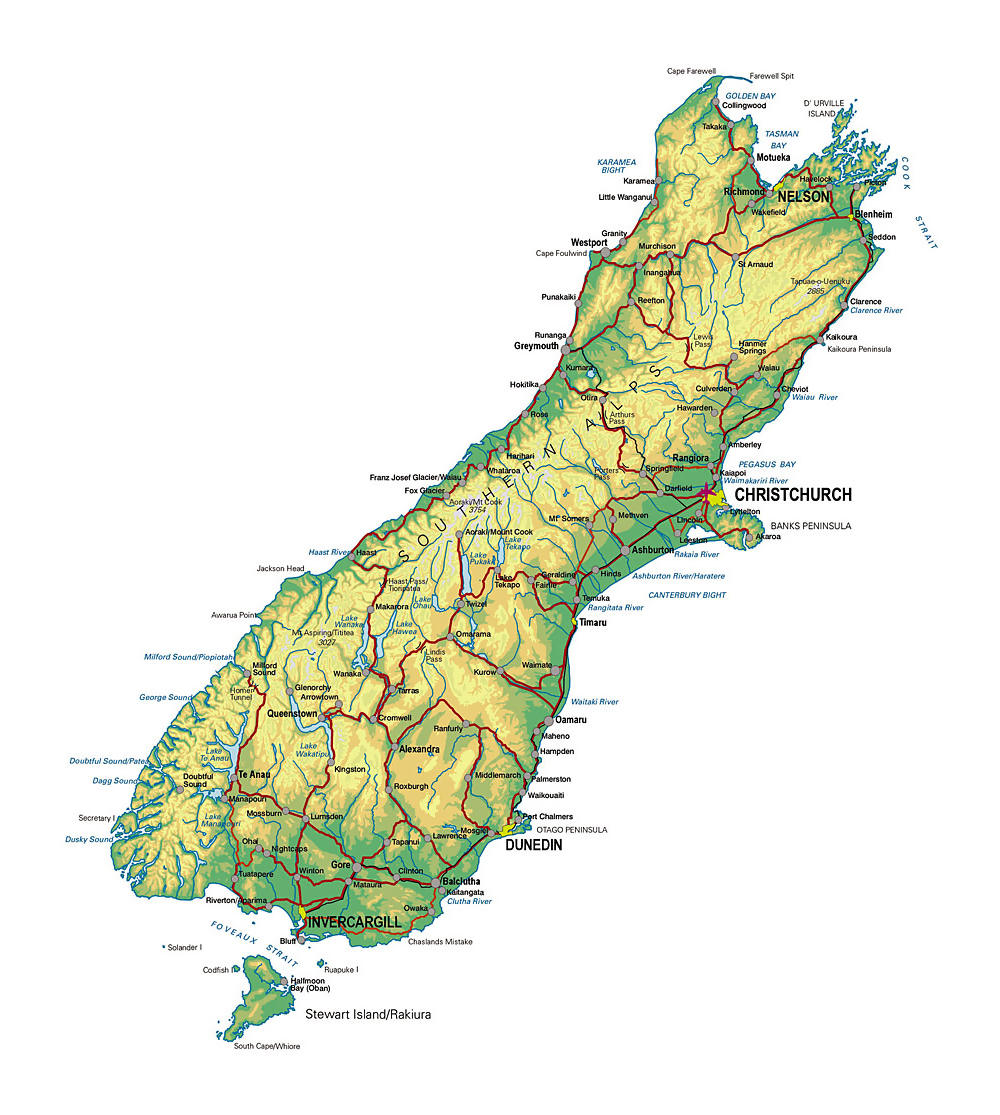
I have picked out 30 stones to send Sheila, ten each from three New Zealand beaches (Gemstone Beach, Kakanui and Birdlings Flat). The first ten come from the beach that Kay Cooke refers to in the extract from “Craggan Dhu” (above, at the beginning of this Post), Gemstone Beach, near Orepuki. It is the southernmost of the three beaches, situated on Foveaux Strait at the bottom of the South Island (circled in blue on the map of the South Island below). For more detailed account of stone collecting on Gemstone Beach, see here.

The ten stones from Gemstone Beach include three trace fossil argillite stones (see photos below). Trace fossils, also called ichno-fossils, are the fossilised marks, tracks, burrows and deposits of animals. There is a great diversity of trace shapes to be found in these green-grey stones, along with variations in size and colour. These traces were left in argillite rock about 250 million years ago, in the Permian Era, by the activities of ancient worms at the bottom of the ocean. Argillite is a hardened partly-recrystallised mudstone formed from ocean floor sediments. In the south of New Zealand, the ocean floor was uplifted by massive geological forces and the argillite was faulted and fragmented. Some of these fragments were carried out of eastern Fiordland by streams into the Waiau River then into Foveaux Strait, some eventually washing up on Gemstone Beach. In order to preserve the fossil traces, these stones have often not been completely smoothed in the tumble barrel before being polished, and they often don’t take a high polish.

Two banded ignimbrite stones are also included in these ten from Gemstone Beach (photos below). Banded ignimbrites are volcanic, with distinctive flow bands and small gaseous pockets filled with silica. Ignimbrite originates as the deposit of a pyroclastic flow, which is a hot suspension of particles and gases flowing explosively and rapidly from a volcano. NZ geologist Patrick Marshall originally came up with the term in the 1930s meaning “rain of fiery rock dust”. Some ignimbrite can be very loosely deposited, with lots of pumice in it. If it is buried at depth, it becomes compacted, gases and liquids are squeezed out, and it becomes solid and fine grained and glassy. It has been suggested that this particular banded ignimbrite has been eroded from areas of the approx. 145 million years old Loch Burn geological formation of eastern Fiordland and came down the Waiau River to the coast.

Gemstone Beach has over a kilometre of stones often piled high . Some of these stones may be jasper, stained quartz, colourful quartzite, waxy hydrogrossular garnets, and various breccia and conglomerates (small fragments compressed in a fine matrix). In many instances, for the stones I pick up there, I do not know the exact type of rock from which they originate. Each stone is unique but carries within it a significant part of New Zealand’s geological history. Each stone also tells its own story upon careful reading, and every person can see slightly different messages, landscapes, patterns and depths. These are the “gems” of Gemstone Beach! The five other tumblestones from Gemstone Beach that I sent Sheila are:

To finish with some more photos of Gemstone Beach:

In Part Two of this series of Posts, we look at tumblestones that come from further north, from a little beach just outside of the small town of Kakanui in North Otago.

50 Riverton/Aparima Tumblestones for Te Hikoi Museum Shop: Part One

Riverton/Aparima is a small seaside town with about 1500 residents but its numbers swell significantly over summer with the influx of local and international tourists. Many of these stay in the cribs (baches or holiday homes) of Riverton Rocks. Located about 30 kilometres from Invercargill, Riverton/Aparima is the oldest permanent European settlement in Southland.

“Te Hikoi Southern Journey” is a museum in Riverton/Aparima with a gift store and information centre attached.​ It holds an interesting collection of regional historic artifacts, with its displays focusing on local Maori history, whaling and the area’s European settlements. The museum is located at 172 Palmerston Street, on the main street just before the bridge over the Aparima River on the way to Riverton Rocks. See here for a brief YouTube clip on the museum. Te Hikoi has a geology-themed Discovery Depot which includes access to a library of geology resources, such as drawers of rock samples, and it makes available a pamphlet for a children’s rockhound experience in the local area. Outside, on the bank of the estuary, are a number of large rocks set in concrete, representing aspects of the geology of the Southland area, with an attractive and informative Information Panel.

The gift shop often has stones for sale. When I visited last week, near the reception desk were two bowls, one with some “Gems of the World” (apparent in the YouTube clip mentioned above), the other with some small tumble-polished stones from Orepuki (Gemstone Beach). On a shelf in the book section were also half a dozen larger hydrogrossular garnets. There is an opportunity to add some local Riverton/Aparima stones, which I have agreed to provide.

I have selected 50 tumble-polished stones from the three southern-most beaches of Riverton Rocks – Mitchell’s Bay, Henderson’s Bay and the Back Beach (Howell’s Point). The Back Beach, right at the end of the Rocks Highway, is the main source of my stones, a 500 metres sweep of sand and stones on the shore of Foveaux Strait, facing Stewart Island /Rakiura.

It is difficult, in many instances, to identify the exact type of rock of origin of Riverton/Aparima stones because of the great diversity to be found on these beaches. Each stone is unique but carries within it a significant part of New Zealand’s geological history. Each stone tells its own story upon careful reading (best viewed in bright sunshine), and every person can see slightly different patterns, landscapes, and depths. I selected 50 polished stones that had character and interest. Different people like different kinds of stones so I included a range of colours and patterns.

001
The 50 polished Riverton/Aparima tumblestones. $2 coin (top left) for scale.

Six of the stones (see photos below) are argillite containing trace fossils of ancient worm-like animals from the Permian Era, around 250 million years ago. Such stones can be found at a number of beaches along the coast between Riverton and Orepuki.  

More information on trace fossil stones can be found here .

Six of the 50 stones I sent to the Te Hikoi Museum shop illustrate the complex structure of many stones of the area. Stained by various minerals and subject to a range of geological forces, they come in different colours and patterns. Below are photos of these six as well as as close-ups of their structure.

See Part Two in this Series for details about a further 15 of the 50 stones.

Photo-Book “The Trace Fossil Stones of Gemstone Beach”

I recently sold some tumble-polished fossil worm cast stones to a Rock Shop. I thought I would provide the Shop with a photo-book about the stones so that customers would have a bit of background about them.

I have produced photo-books before about holidays and overseas trips, using DiamondPhoto,  a New Zealand-based online site. I have also done some calendars through this site. Its products are quite good when working with photos but I sometimes struggle when text is involved – it can be tricky to place text correctly on a page. I chose to put together a 20 page book, 20 cms wide and 20 cms high, small enough to fit on a shop shelf but large enough for decent-sized photos.

The other tricky part of using an online site is getting the brightness of the photos right. How good a photo looks on a laptop screen depends on how tilted the screen is. I have learned to order an initial copy of a calendar or photo-book and check the photo quality and text placement before finalising a project.

The following are the front cover and first three pages of “The Trace Fossil Stones of Gemstone Beach”. The “Introduction” is important for such a book, giving the reader an immediate idea about the topic but also intriguing them to want to know more.

There are four later pages on which text is provided in the book. The first (page 3) is a quote from Geoff Chapple’s book “Terrain: Travels Through a Deep Landscape” about the worm trace fossils at Tihaka, near Gemstone Beach. This provides verification for the nature and age of the trace fossils. Secondly, on page 5 is an introduction to “Trace Fossils” as one type of fossil, supported by photos providing the broader context of marine trace fossils in New Zealand. Thirdly, on page 6 is a brief reference to the diversity of the trace fossils in Gemstone Beach stones. Fourthly, page 13 contains a brief description of rotary tumble polishing.

One of the key aims of the book is to show photos of the great diversity of trace fossil stones from Gemstone Beach. Another is to provide an appreciation of the beach on which they were found. 

Given that the book promotes a certain type of stone that I have tumble-polished, I decided to include other examples of my tumble-polished stones from different places: Gemstone Beach, Birdlings Flat and Riverton. The book finishes with some information on TumbleStone Blog – in case someone wants more information about trace fossil stones – and a list of the sources of information used.

I have done one other photo-book on stones and am thinking of a couple more. But they take time and patience, and I am intending to undertake another stone collection trip to the South Island soon.

South Island Stone Collecting Trip, May/June 2020 – Days Six to Ten

As mentioned in the first Post of this Series, I am undertaking a three-week stone collecting trip to the South Island by car. I am posting up-dates on Facebook for family and friends, then re-posting them here. 

Day Six, Gore to Riverton, Visit to Back Beach – A cold but sunny day in the south! Arrived at Riverton at lunchtime. Visited the Back Beach for about 45 minutes as the late afternoon sun was going down. Were a few people there, enjoying the end of the first long weekend under Alert Level Two. 

The stones on the Back Beach are a very mixed bunch. Most are rough and don’t look good candidates for polishing. However, I have often been surprised at how well they turn out after spending time in the tumbler barrel. The key is to see the potential of the colours and patterns. I found very few fossil worm cast stones despite them having been much easier to find earlier this year.

Day Seven, First Visit to Gemstone Beach – Warmish cloudy day, spent three hours on Gemstone Beach with my sister Helen. About 10 other people were on the beach at different times as well, one was a local collector of hydrogrossular garnets I had met before, and three were Czech people stranded in NZ by the Covid-19 pandemic, undertaking a South Island tour in Level Two. Helen and I first went to the left of the carpark where stones are not usually deposited on the beach. Today there was a good selection there. 

We then dropped our initial finds off in the car before walking to the right, past the Taunoa Stream. About 500 metres in that direction we started to find a few small hydrogrossular garnets. Overall, many interesting stones on the beach.

Day Eight, Second Visit to Gemstone Beach – Another warm day, spent four hours on Gemstone Beach with my sister Helen. We timed our arrival for just after high tide and decided to move westwards along the beach towards the Waimeamea River mouth, just over one kilometre away. However, we were initially unable to cross the Taunoa Stream so spent 30 minutes or so on the beach near the carpark until the tide went out a bit more and the Taunoa Stream went down. We then made our way towards the Waimeamea River, arriving there about two and a half hours later, collecting stones all the way. 

Another hour saw us back at the carpark, just as a cooler breeze was getting up. We found a few hydrogrossular garnets, as well as some nice specimens of fossil worm cast stones, along with a good number of colourful and interesting patterned stones likely to respond well to tumble polishing.

Day Nine – Too wet and windy, stayed inside.

Day Ten, Third Visit to Gemstone Beach – A cold front moved through yesterday and the temperature has dropped. However, I dressed warmly and headed to the beach. Ended up spending five hours there. Arrived just before high tide, and the waves were high and powerful, forcing me initially to look for stones at the foot of the cliff at the back of the beach. 

I went about one kilometre past the Waimeamea River mouth, further than I have gone before. I dropped off a couple of stashes of stones along the way to pick up when returning, so my backpack would remain as light as long as possible, though by the time I got back to the carpark it was quite heavy!

See here for the next Post in this Series.

Alert Level Two, Saturday 23 May – Stone 5, Fossil Worm Cast Stone from Gemstone Beach

This is a small green-grey argillite stone with a number of small fossil worm casts and some dark veins. I have found such stones on beaches at Riverton and near Orepuki. This one comes from Gemstone Beach.

Close-ups reveal more details about the dark veins and the worm cast trace fossils:

The process of producing the images and the close-ups, using three stages of cropping along with saturation, “lightening”, and some “shadowing” (to darken the veins):


Stay-at-Home Day Twenty-One, Wednesday 15 April 2020: Stone Twenty-One

At the end of Week Three, Stone Twenty-One is another fossil worm cast stone. This stone is a medium-green argillite, the trace fossils being light green. Such a colour combination is the most common for worm cast stones at Gemstone Beach and Riverton. Argillite is a hardened, slightly recrystallised, mudstone. The darker in colour it is, the finer grained it is. 

Some of the traces on this stone are chevron shaped.

What is unusual about this stone is that some of the fossil casts or trails appear elongated, maybe stretched from the pressures that turned sediment to rock over thousands of years. 

This is the fourth worm cast stone featured in Week Three of Stay-at-Home:

The next Post in this Series is Stay-at-Home Week Three, Stone of the Week.

Stay-at-Home Day Nineteen, Monday 13 April 2020: Stone Nineteen

Stone Nineteen is the third fossilised worm cast stone this week. But it is a very rare black one. I found it on Gemstone Beach. 

The fossil traces on Stone Nineteen are different from those on Stones Fifteen and Seventeen, being less linear. In at least three instances, we are viewing the worm cast or trail from above, as it were, as it emerges from the depths of the stone.

Stones Nineteen, Seventeen and Fifteen, three different fossil worm cast stones:

The next Post in this Series is Stay-at-Home Day Twenty, Tuesday 14 April 2020: Stone Twenty.

Stay-at-Home Day Seventeen, Saturday 11 April 2020: Stone Seventeen

Stone Seventeen is a newly polished fossilised worm cast stone found on Gemstone Beach just over a month ago. 

Compared to Stone Fifteen, another worm cast stone, the traces are a different colour (dark brown) as is the stone (a greener grey). There are numerous traces across all of the stone’s surface, some of them chevron shaped but others a more solid trail.

I “pushed” the colour of the photos, using the “saturation” option in my Picasa photo software, with the following results:

The green has taken on a more lime hue and the traces are more purple in tone.

Together, Stones Fifteen and Seventeen demonstrate some of the wide variation amongst fossilised worm cast stones on the southern beaches between Orepuki and Riverton.

The next Post in this Series is Stay-at-Home Day Eighteen, Easter Sunday 12 April 2020: Stone Eighteen.

How Much Does Tumbling Wear Away Trace Worm Cast Fossils?

Tumble polishing fossilised worm cast stones has a different aim from polishing other stones because it is important to preserve the traces on the surfaces of the stones. Tumble polishing is normally a process involving the smoothing of a stone by wearing away its outer layer. Sharp edges, pits and nicks in a stone can be removed by tumbling in a coarse grit. But such a tumble for a worm cast stone may very well destroy what makes the stone interesting.

For this reason, I ignore any “imperfections” in the stone itself and seek solely to polish the trace. In order to do this, I tumble worm cast stones once in 320 grit, the finest (least coarse) grit that I normally use, before putting them through a pre-polish then pro-polish tumble. NOTE: (March 2021) Due to a change in the grit size sold by my supplier, I now use 400 grit.

The other day, a question arose in my mind. How much does that 320 grit tumble change or even damage a worm cast trace? I don’t know for sure, though I have had no reason so far to think it is a problem. But why not take a closer look to find out? So I decided to photograph some fossilised worm cast stones before and after a 320 grit tumble, so I could see any changes.

I chose 40 worm cast stones of varying sizes, colours and types. I then arranged them by size, in groups of four, and took photos of them, front and back, before tumbling them for a week in 320 grit.

 I wet the stones for these photos so that the traces would show better. The following are the first eight stones:

1-4 a before
One side of Stones #1 – #4, before 320 grit tumble.
1-4 b before
Other side of Stones #1 – #4, before 320 grit tumble.
5-8 a before
One side of Stones #5 – #8, before 320 grit tumble.
5-8 b before
Other side of Stones #5 – #8, before 320 grit tumble.

After the 320 tumble in late March/early April, these stones looked like this:

1-4 a after
One side of Stones #1 – #4, after 320 grit tumble.
1-4 b after
Other side of Stones #1 – #4, after 320 grit tumble.
5-8 a after
One side of Stones #5 – #8, after 320 grit tumble.
5-8 b after
Other side of Stones #5 – #8, after 320 grit tumble.

I next compared the before and after photos of each stone in order to gain an idea of the effects of the 320 grit tumble. The next Post explains the differences for Stones #1 to #8 (not yet available).

Stay-at-Home Day Fifteen, Thursday 9 April 2020: Stone Fifteen

Stone Fifteen is a greenish-grey argillite stone with the trace fossils of worm casts in it.  I found it on Gemstone Beach and it came out of the polishing barrel last week.

A “trace fossil” is a fossil not of the animal itself but of some trace it has left behind, such as a footprint, dung or a burrowing tunnel. Fossilised worm cast stones come in a wide variety of patterns and colours. I especially like the chevron trails such as the ones in this stone. 

The first of a series of Posts on fossilised worm cast stones can be found here.

The next Post in this Series is Stay-at-Home Day Sixteen, Good Friday 10 April 2020: Stone Sixteen.